

AI Assist
Short on time?
Summarize this article for a beginner using
Note: Gemini’s web interface does not currently allow developers to “automatically paste” or pre-fill the chat box via a URL link (unlike ChatGPT and Google Search), so you will have to paste the automatically copied prompt to Gemini.
Table of Contents
How Smile Symmetry and Proportion Influence Porcelain Veneer Results
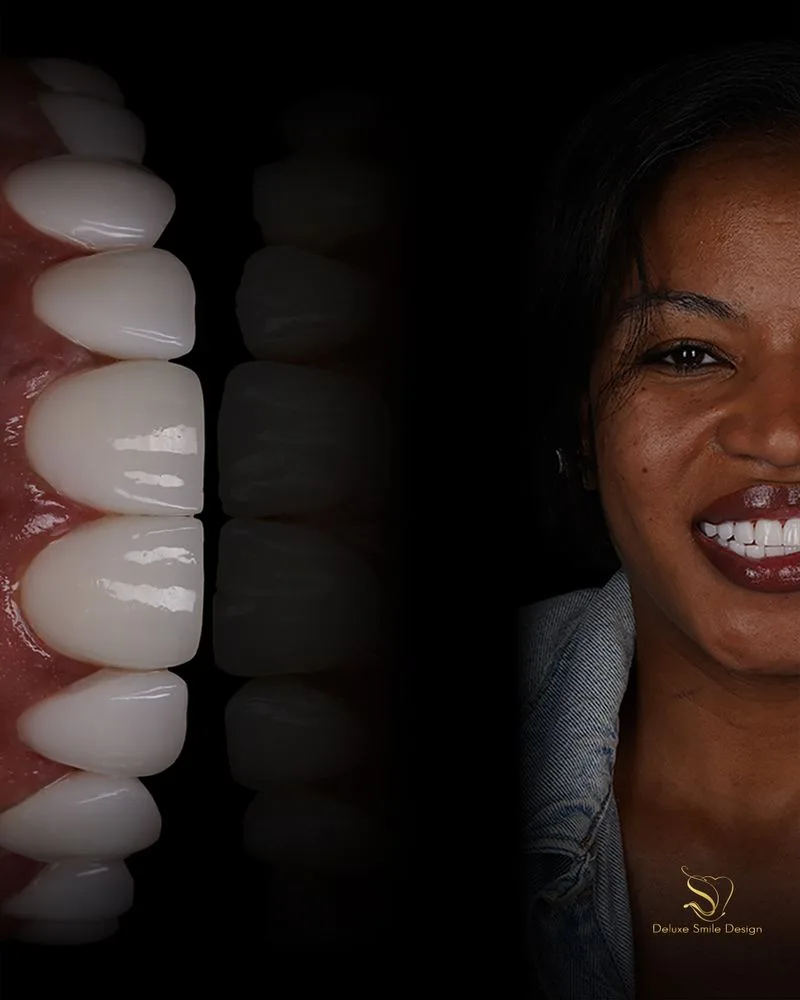
A beautiful smile is not just about having white teeth. The shape, size, alignment, and balance of your teeth all contribute to how your smile looks. These details are especially important when considering porcelain veneers, as even small changes can influence the overall appearance of your smile.
Smile symmetry and proportion help guide the design of natural-looking veneers. Rather than making every tooth look identical, a personalized approach considers your facial features, natural tooth structure, and aesthetic preferences. Understanding these factors can help you make informed decisions when exploring cosmetic dentistry.
What Is Smile Symmetry?
Smile symmetry refers to how balanced the left and right sides of your smile appear. This includes the position of your front teeth, the curve of your smile, and how your teeth relate to your lips and facial features.
Perfect symmetry is not necessary for an attractive smile. In fact, minor differences between the two sides of the face and teeth are completely natural.
When planning porcelain veneers, a cosmetic dentist evaluates these details to determine where adjustments may improve the overall balance. For example, veneers may help address certain visible differences in tooth shape, size, or color, depending on your individual needs.
The goal is not to create an artificial or perfectly mirrored appearance. Instead, the aim is to create a smile that looks harmonious and complements your natural features.
How Tooth Proportion Affects Porcelain Veneer Results
Tooth proportion describes the relationship between a tooth’s width and length, as well as how its size relates to neighboring teeth. These relationships influence whether a smile looks balanced and natural.
If the front teeth appear too short, too wide, or noticeably different in size, the overall smile may look less harmonious. Porcelain veneers can change the visible shape and dimensions of suitable teeth to create a more balanced appearance.
However, every smile requires an individualized assessment. The ideal tooth proportions depend on factors such as facial structure, gum contours, existing teeth, and personal preferences.
A skilled cosmetic dentist considers these details when designing veneers. The objective is to improve the appearance of the teeth while preserving a result that suits the individual rather than following a single beauty standard.
The Role of Facial Features in Smile Design
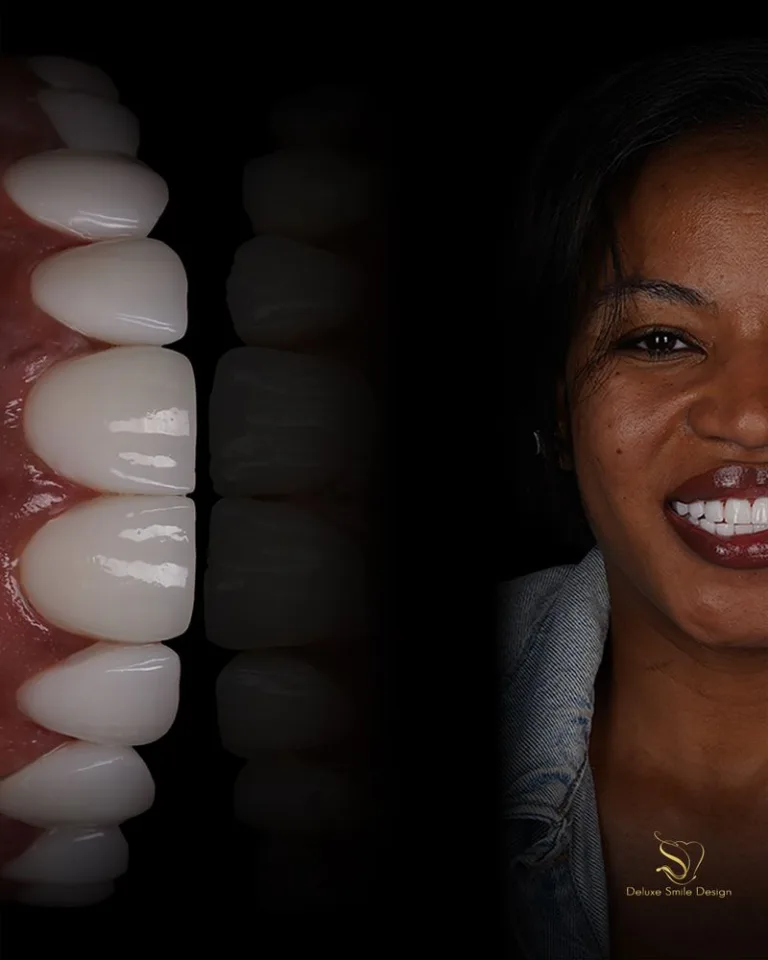
Your teeth are an important part of your smile, but they do not exist in isolation. Their appearance is influenced by the shape of your face, the position of your lips, and the amount of tooth structure visible when you speak or smile.
For example, a person with a broader smile may benefit from a different veneer design than someone with a narrower smile. Similarly, the shape and length of the front teeth can influence how the smile appears in relation to the lips.
During a cosmetic dental consultation, these factors help guide treatment planning. Patients exploring porcelain veneers can discuss their aesthetic goals and learn which changes may be appropriate for their teeth.
This personalized process helps ensure that the proposed design considers the entire smile rather than focusing on individual teeth alone.
Why Natural-Looking Veneers Require Attention to Detail
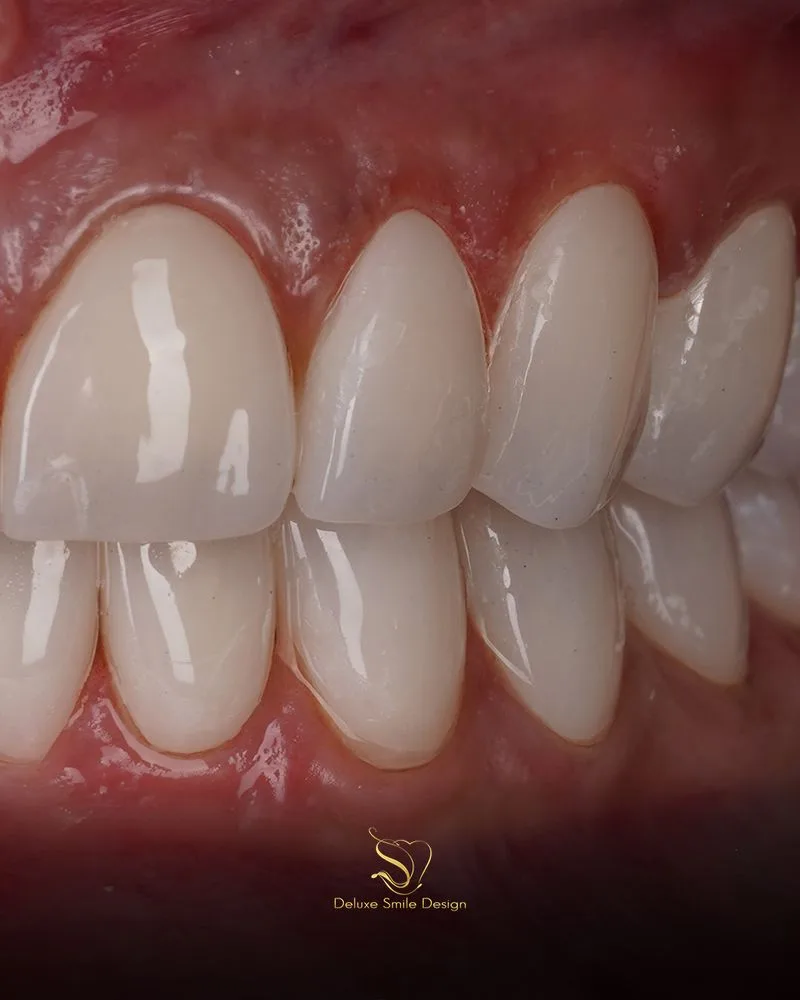
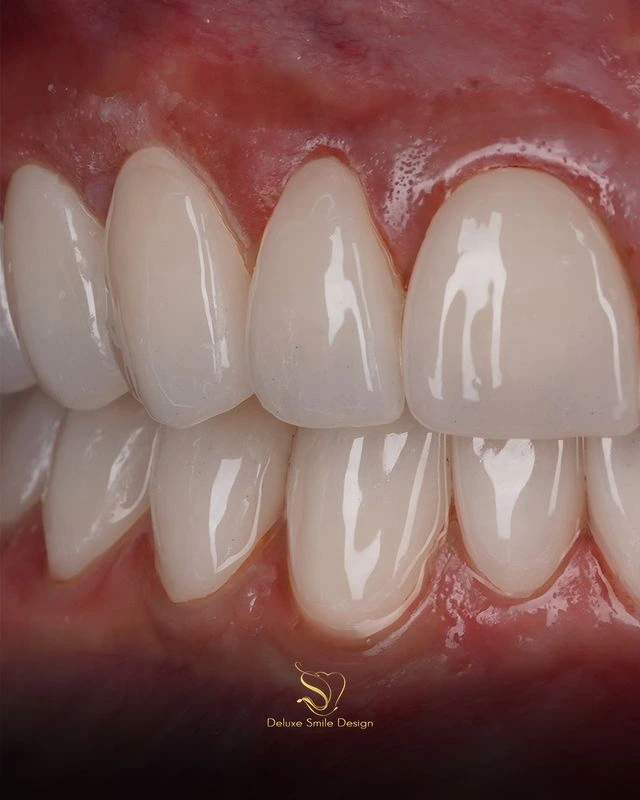
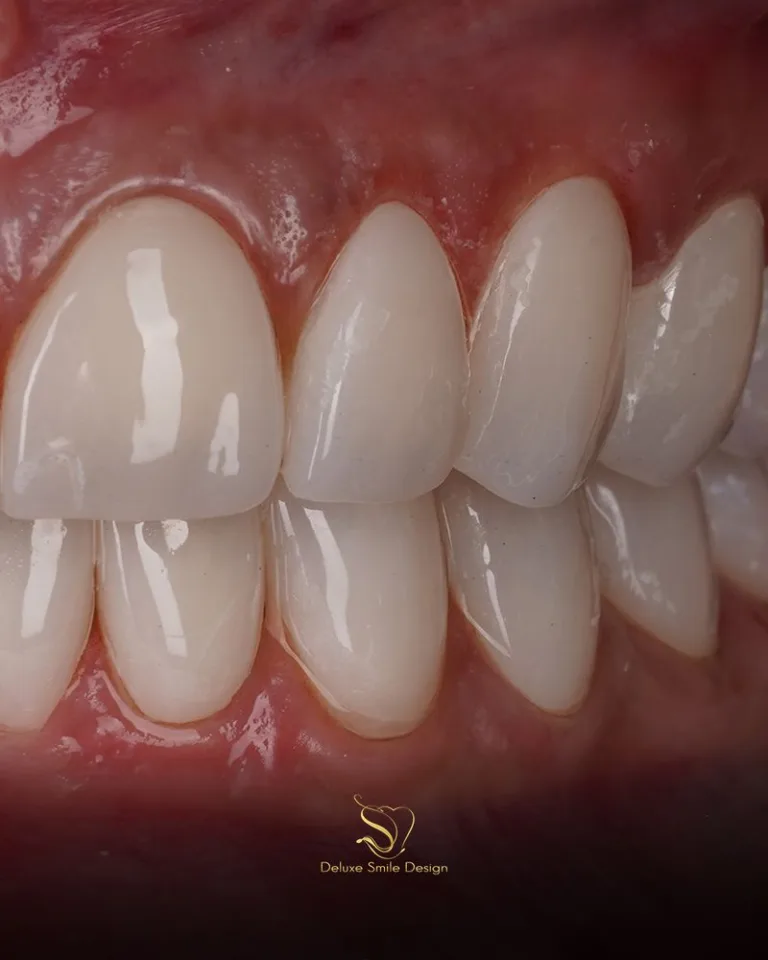
Porcelain veneers are thin, custom-made restorations designed to improve the visible appearance of teeth. Their results depend on more than selecting a shade of white.
Several details contribute to a natural-looking outcome:
Tooth shape: Rounded edges, softer contours, or more defined shapes can influence the character of a smile.
Color and translucency: Natural teeth have subtle variations in color. The shade and appearance of veneers should complement the surrounding teeth and the patient’s preferences.
Gum line balance: Differences in gum levels can affect how long or short teeth appear.
Alignment and spacing: The position of the teeth and the spaces between them influence the overall appearance of the smile.
Individual proportions: Each veneer should work with neighboring teeth to create a cohesive result.
These elements need to be considered together. Making teeth excessively uniform or choosing a shade that does not suit the overall smile may create an appearance that feels less natural.
A personalized treatment plan helps balance aesthetic goals with the condition and structure of the existing teeth.
How a Smile Makeover Can Improve Overall Balance
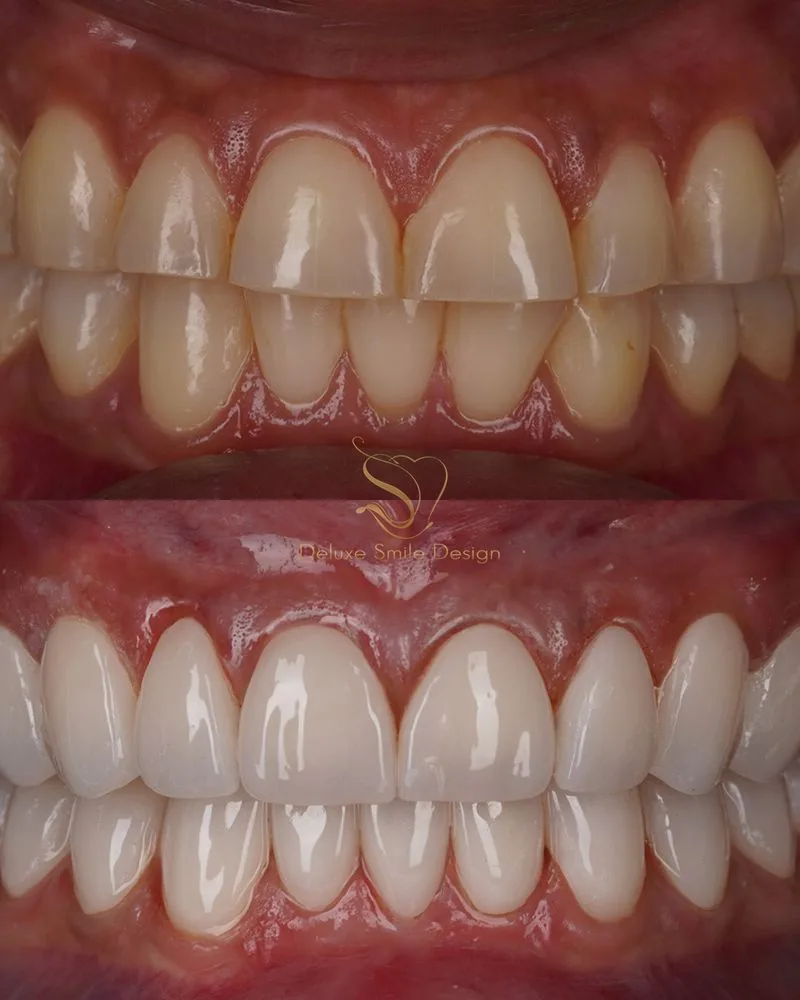
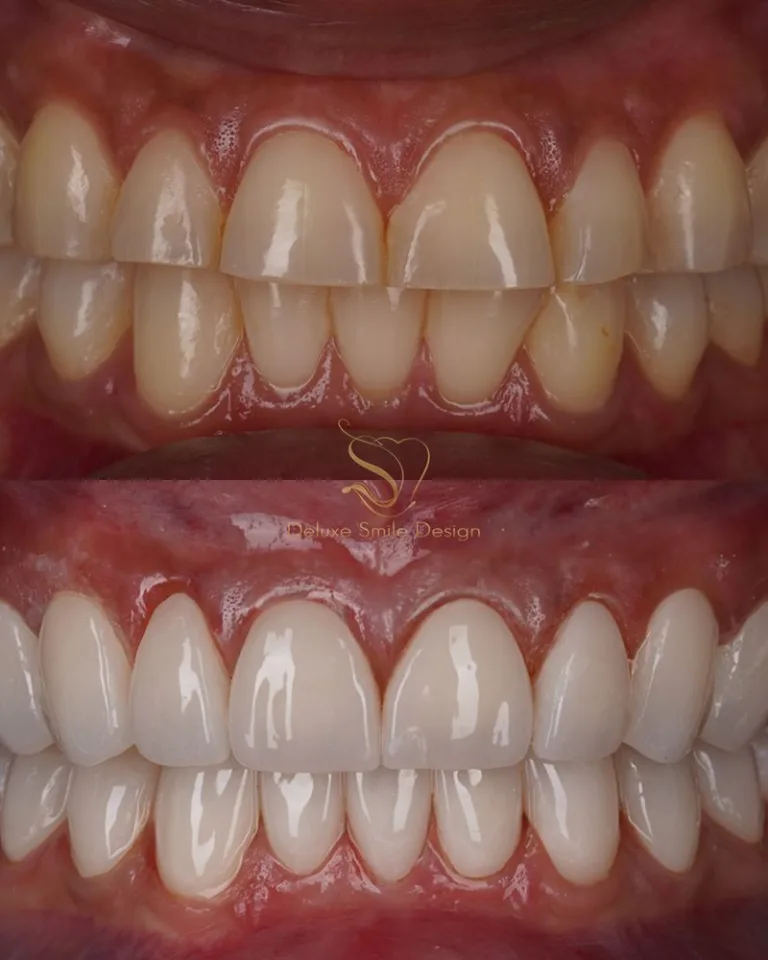
For some patients, improving smile symmetry involves more than changing the shape of one or two teeth. Several cosmetic concerns may contribute to the overall appearance, including discoloration, uneven tooth edges, visible gaps, or differences in tooth proportions.
A personalized smile makeover may involve evaluating these concerns together to determine which treatments, if any, are appropriate.
Porcelain veneers may be one option, but they are not suitable for every patient or every dental concern. A dentist should assess oral health, tooth structure, bite, and individual expectations before recommending treatment.
It is also important to understand that veneers may require some removal of natural tooth enamel, depending on the case, and this change may be irreversible. Discussing the benefits, limitations, alternatives, and maintenance requirements with your dentist can help you make a confident decision.
What to Expect During the Veneer Design Process
The process generally begins with a consultation to discuss your concerns and desired results. Your dentist evaluates your teeth, gums, bite, and overall oral health before determining whether porcelain veneers are suitable.
The planning stage may include photographs, impressions or digital scans, and a discussion of the proposed tooth shapes and shades. Depending on the practice and treatment plan, a preview or mock-up may help you understand the intended appearance before proceeding.
This is an opportunity to communicate your preferences clearly. You might prefer a subtle enhancement that preserves your natural smile or a more noticeable change in tooth shape and color.
At Deluxe Smile Design, patients can explore their cosmetic dentistry options and discuss their smile goals with the dental team. The right approach should prioritize oral health, realistic expectations, and a result tailored to the individual.
Create a Smile That Feels Like You
Smile symmetry and tooth proportion play important roles in the appearance of porcelain veneers, but there is no single design that suits everyone. The most successful approach considers your natural features, dental health, and personal preferences.
By understanding these factors, you can have a more productive conversation with your dentist about the changes you want to achieve. The goal is not simply to create perfectly even teeth, but to develop a balanced, natural-looking smile that feels right for you.
If you are considering porcelain veneers, contact Deluxe Smile Design to discuss your options and determine whether a personalized treatment plan may be appropriate for your smile.
Frequently Asked Questions
Why is symmetry important for porcelain veneers?
Symmetry helps create a balanced appearance by considering the size, shape, and position of teeth on both sides of the smile. However, natural differences are normal, and perfect symmetry is not required for an attractive result.
Can porcelain veneers correct uneven-looking teeth?
Porcelain veneers can change the visible shape, size, and color of suitable teeth, which may improve certain cosmetic differences. However, they do not correct every alignment or bite problem. A dental examination is necessary to determine the appropriate treatment.
Do veneers need to match the exact shape of my face?
There is no fixed rule requiring a particular tooth shape for each face shape. Facial features can help guide veneer design, but your natural teeth, oral health, and aesthetic preferences should also influence the final plan.
How can I make my veneers look natural?
Natural-looking results depend on appropriate tooth proportions, a suitable shade, realistic contours, and a design that complements neighboring teeth and facial features. Working with a qualified cosmetic dentist and discussing your expectations can help guide the process.
Are porcelain veneers suitable for everyone?
No. Suitability depends on oral health, available tooth structure, bite conditions, and other individual factors. Your dentist can assess whether veneers are appropriate and explain alternatives if another treatment would better meet your needs.
[post_faqs]
 Español
 English