

AI Assist
Short on time?
Summarize this article for a beginner using
Note: Gemini’s web interface does not currently allow developers to “automatically paste” or pre-fill the chat box via a URL link (unlike ChatGPT and Google Search), so you will have to paste the automatically copied prompt to Gemini.
Table of Contents
Porcelain Veneers vs. Composite Veneers: Which Is Right for Your Smile?
A beautiful smile can make you feel more confident, whether you’re taking photos, meeting new people, or simply enjoying everyday moments. If you’re considering improving the appearance of your teeth, veneers are one cosmetic dentistry option worth exploring. However, choosing between porcelain veneers and composite veneers can feel confusing when both treatments promise to enhance your smile.
The right choice depends on your aesthetic goals, budget, dental health, and long-term expectations. Understanding how these two options differ can help you have a more informed conversation with your dentist and choose an approach that complements your natural smile.
What Are Dental Veneers?
Dental veneers are thin, custom-made coverings placed on the front surfaces of teeth to improve their appearance. They can address concerns such as discoloration, small chips, minor gaps, uneven edges, and certain cosmetic imperfections.
At Deluxe Smile Design, patients can explore cosmetic dental options designed to enhance their smiles while maintaining a natural-looking appearance. Two common choices are porcelain veneers and composite veneers, each offering distinct benefits.
What Are Porcelain Veneers?
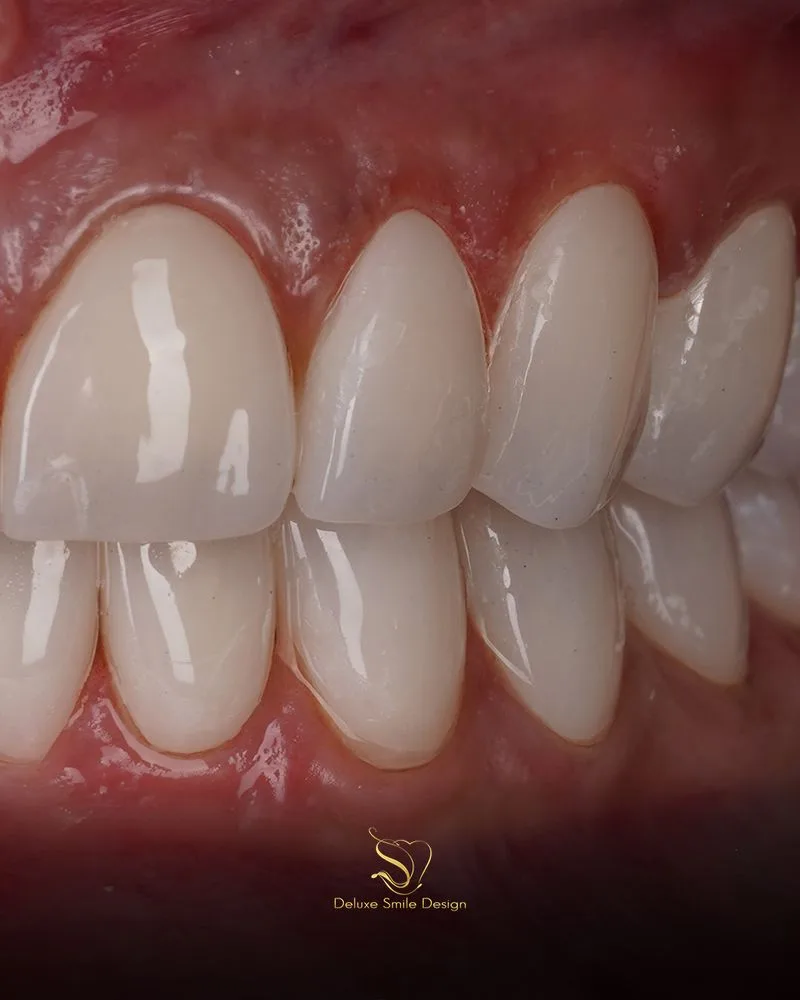
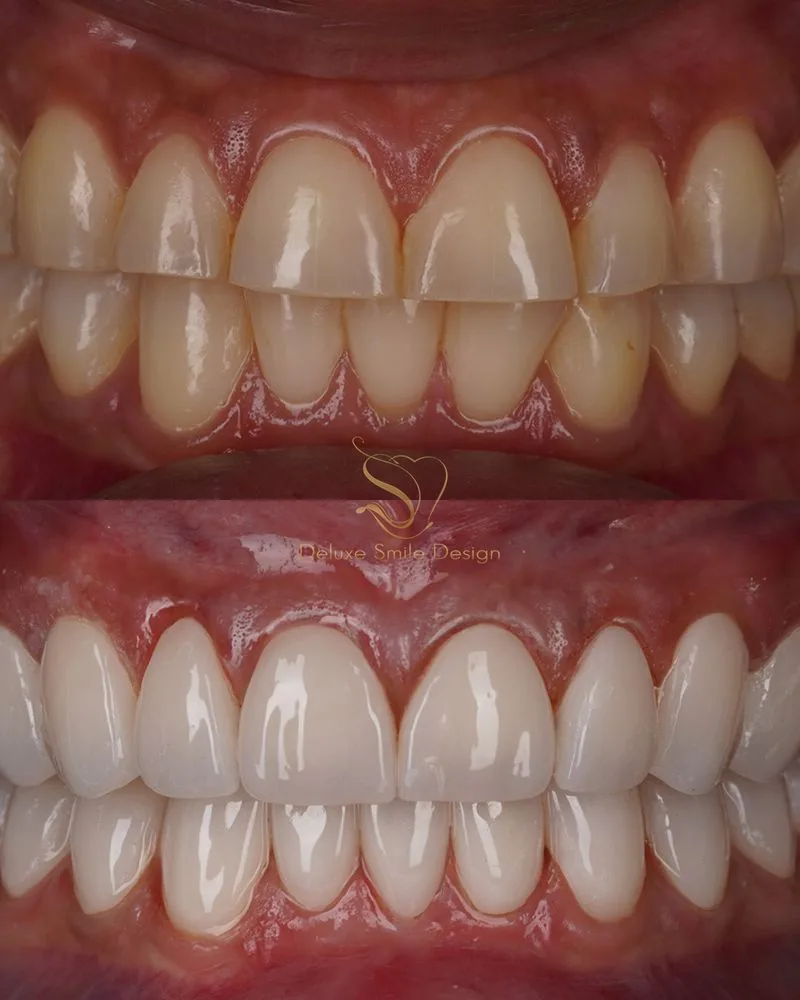
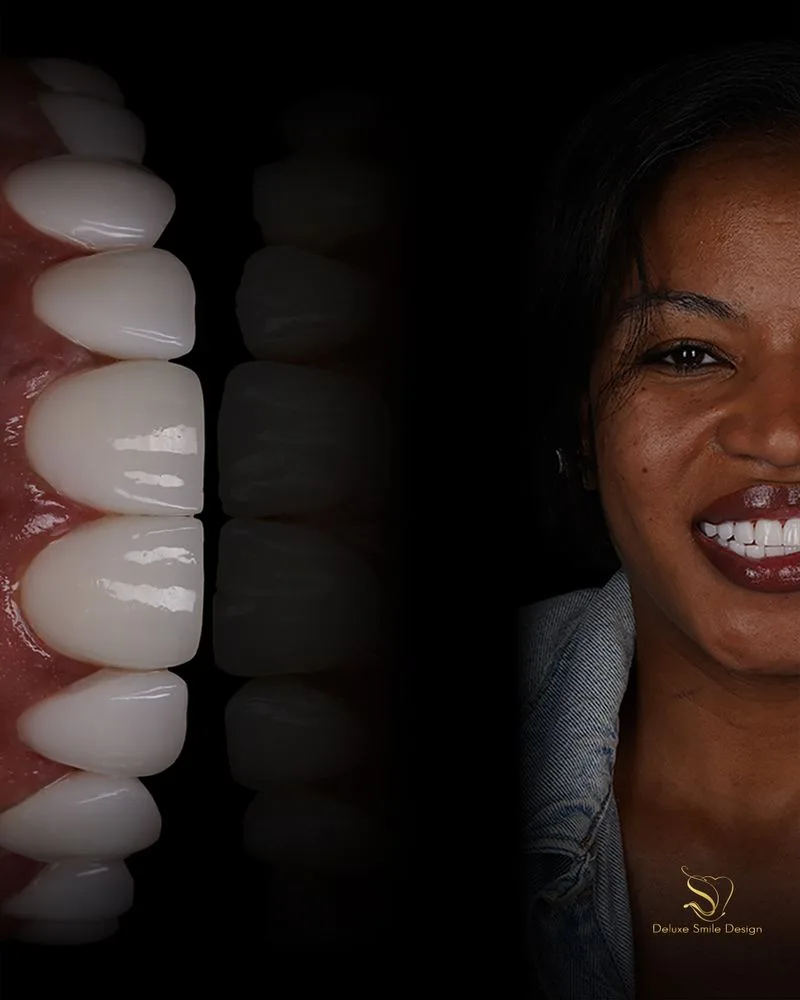
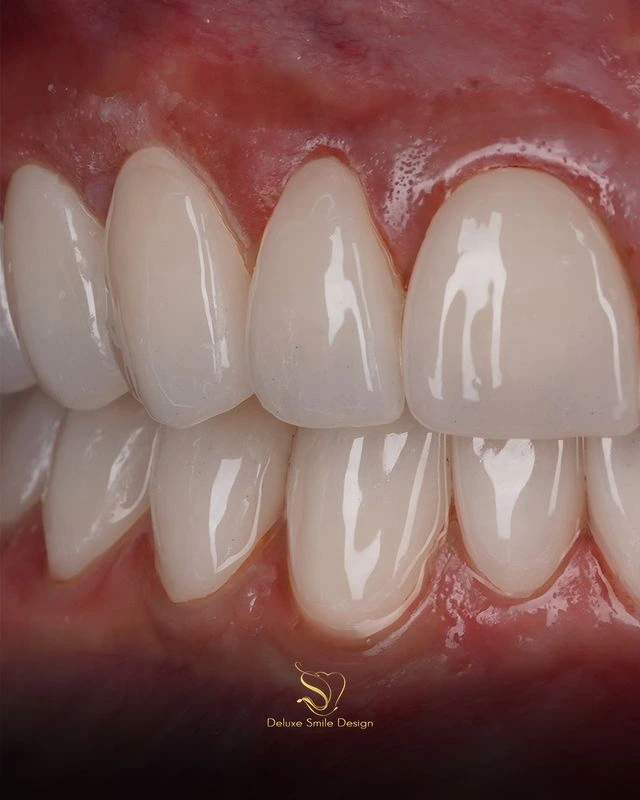
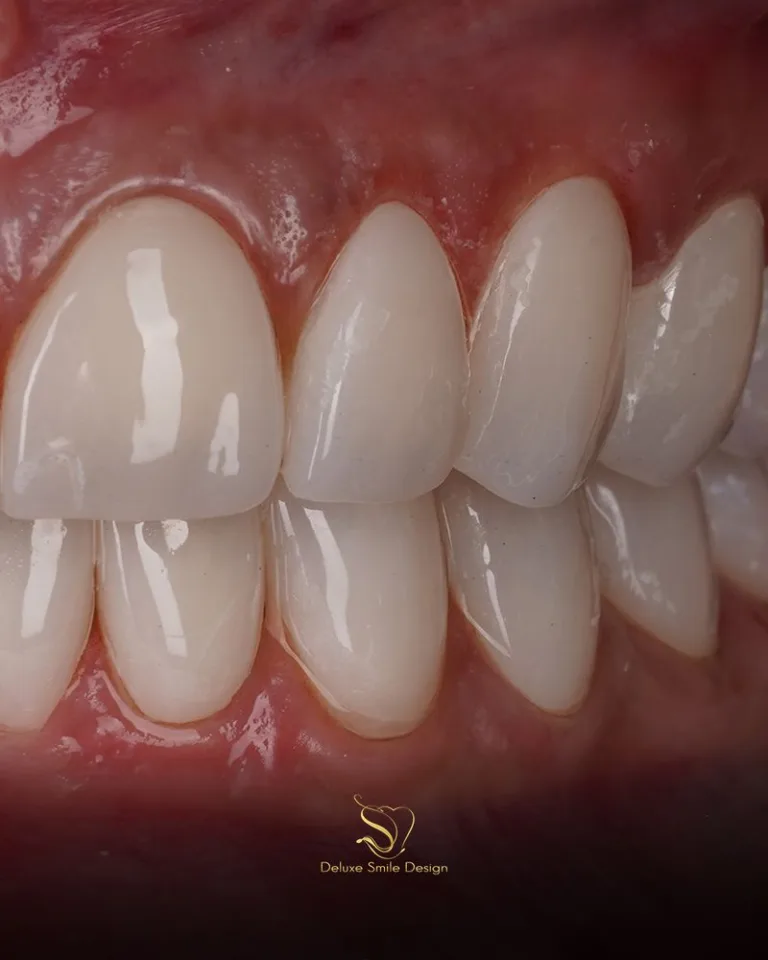
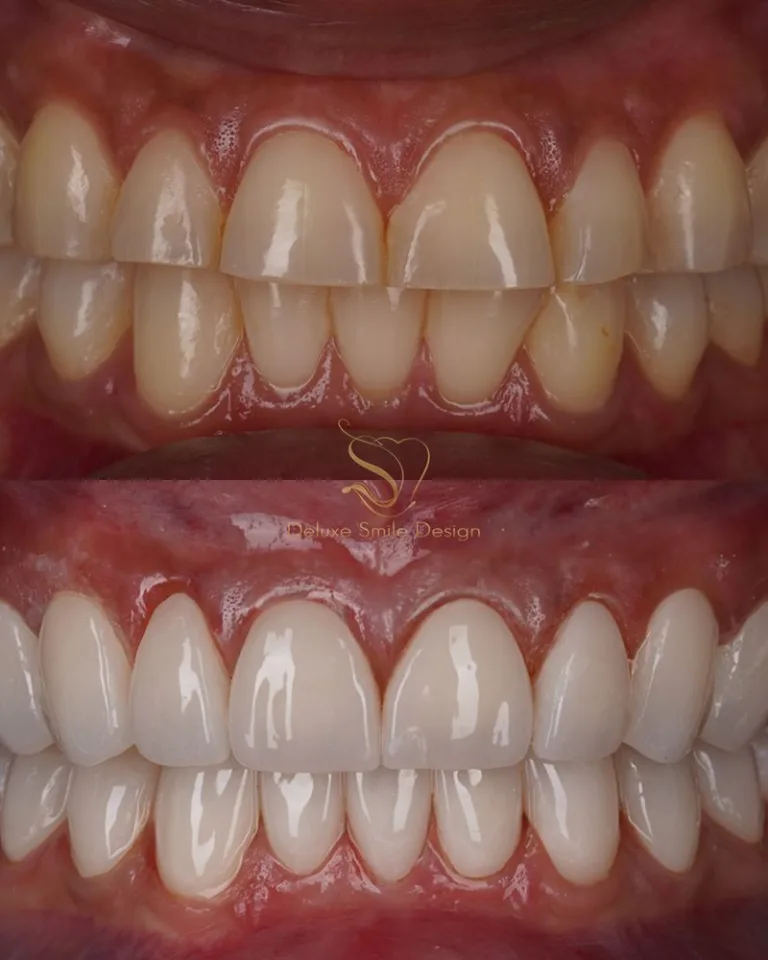
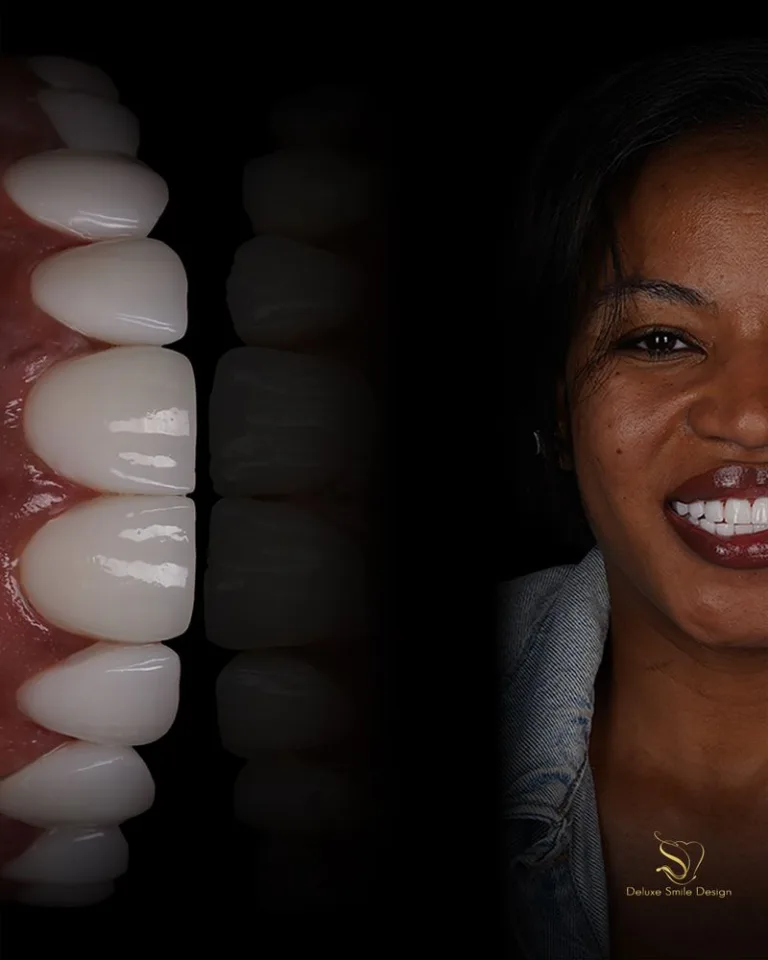
Porcelain veneers are custom-made shells created from dental porcelain and bonded to the front of the teeth. They are designed to resemble natural enamel, reflecting light in a way that can create a lifelike, polished appearance.
Benefits of Porcelain Veneers
Natural-looking results: Porcelain can closely mimic the translucency and color variations of natural teeth, making it a popular choice for patients seeking a refined smile.
Stain resistance: Porcelain generally resists staining better than composite resin. This can help maintain a bright appearance over time, although good oral hygiene remains essential.
Long-term durability: With proper care, porcelain veneers can often last around 10–15 years or longer, depending on the individual and the quality of maintenance.
Customized appearance: Each veneer is designed to complement your facial features, tooth proportions, and desired smile aesthetic.
Porcelain veneers typically require more preparation and laboratory work than composite veneers. Depending on the case, some enamel must be removed, making the procedure generally irreversible. Patients should understand this commitment before proceeding.
Learn more about the treatment and its benefits on the porcelain veneers page.
What Are Composite Veneers?
Composite veneers are made from tooth-colored resin that a dentist applies directly to the teeth or shapes into veneers before bonding them. The material is carefully sculpted to improve the tooth’s shape, color, and overall appearance.
Benefits of Composite Veneers
A more conservative option: Composite veneers may require little or no enamel removal in suitable cases, depending on the desired changes and existing tooth structure.
Potentially lower initial cost: Composite veneers are often less expensive upfront than porcelain veneers, making them an option for patients working within a specific budget.
Faster treatment: Direct composite bonding can often be completed in a single appointment, depending on the number of teeth and the complexity of the case.
Easier repairs: Small chips or damage can often be repaired by adding or reshaping composite resin without replacing the entire restoration.
However, composite resin is generally more susceptible to staining, chipping, and wear than porcelain. Composite veneers may last around 5–7 years, although their lifespan varies with oral habits, maintenance, and the quality of the original treatment.
Porcelain Veneers vs. Composite Veneers: Key Differences
Appearance and Smile Aesthetics
Both options can improve the appearance of your smile. Porcelain is often preferred for comprehensive smile transformations because of its lifelike translucency and consistent finish.
Composite veneers can also produce attractive, natural-looking results when carefully shaped and matched to the surrounding teeth. The best option depends on the changes you want to make and your dentist’s assessment.
Durability and Maintenance
Porcelain veneers generally offer greater resistance to stains and everyday wear. Composite veneers may require more frequent polishing, maintenance, or repairs over time.
Regardless of the material, brushing twice daily with fluoride toothpaste, flossing, attending routine dental visits, and avoiding habits such as chewing ice can help protect your veneers.
Cost Considerations
Composite veneers generally have a lower initial cost, while porcelain veneers usually require a higher investment because of their materials, customization, and laboratory fabrication.
However, the overall value also depends on longevity, repairs, replacement needs, and your individual treatment plan. Ask your dentist for a personalized estimate rather than choosing solely on price.
Treatment Time and Tooth Preparation
Composite veneers can often be completed in one visit, while porcelain veneers typically require multiple appointments for planning, preparation, fabrication, and placement.
Tooth preparation varies with the treatment. Neither option should be assumed to be completely reversible or suitable for every patient without a dental evaluation.
Which Veneers Are Right for Your Smile?
The best choice depends on your priorities and oral health.
Porcelain veneers may be worth considering if you want a long-lasting cosmetic improvement, value stain resistance, and prefer a highly customized appearance for multiple teeth.
Composite veneers may be suitable if you’re looking for a more budget-conscious approach, want to address smaller cosmetic concerns, or prefer an option that may involve less tooth preparation.
Your dentist will also consider your bite, enamel condition, gum health, and habits such as teeth grinding. Veneers may not be appropriate for everyone, particularly when underlying dental problems need treatment first.
If you’re considering a broader transformation involving several aspects of your smile, exploring smile makeover options can help you understand how different cosmetic treatments may work together.
How to Get the Most From Your Veneers
Whichever option you choose, maintaining your results requires consistent care. Brush and floss daily, keep up with professional dental cleanings, and avoid biting hard objects with your veneered teeth. If you grind your teeth, ask your dentist whether a night guard may help protect your restorations.
It is also important to have realistic expectations. Veneers can improve specific cosmetic concerns, but they do not replace good oral hygiene or treat every dental problem. A personalized treatment plan can help you achieve a result that complements your natural features.
Enhance Your Smile With a Personalized Plan
Choosing between porcelain veneers and composite veneers is about more than appearance alone. Both options can improve your smile when selected carefully and supported by appropriate dental care.
The best starting point is a professional assessment of your teeth, along with an honest discussion about your expectations, budget, and long-term maintenance. To explore your options, visit Deluxe Smile Design or contact the team to discuss your smile goals and arrange a consultation.
Frequently Asked Questions
Are porcelain veneers better than composite veneers?
Neither option is universally better. Porcelain generally offers greater stain resistance and longevity, while composite veneers may cost less initially and can sometimes be completed in one appointment. Your dental needs and aesthetic goals should guide the decision.
How long do porcelain and composite veneers last?
Porcelain veneers often last around 10–15 years or longer with proper care. Composite veneers commonly last around 5–7 years. Actual longevity depends on oral hygiene, bite forces, habits, and maintenance.
Do veneers damage natural teeth?
Veneer placement may require removing some enamel, particularly for porcelain veneers. This change is generally irreversible. Composite veneers may require less preparation in certain cases, but the procedure is not automatically reversible. Discuss the risks and alternatives with your dentist.
Can composite veneers look natural?
Yes. Composite resin can be carefully shaped and color-matched to create natural-looking results. The final appearance depends on the material, the dentist’s technique, and the condition of the existing teeth.
How do I decide which veneer option is right for me?
Consider your desired appearance, budget, maintenance preferences, and long-term goals. A dental consultation can help determine which material is appropriate for your teeth and whether another cosmetic treatment would better meet your needs.
[post_faqs]
 Español
 English