

AI Assist
Short on time?
Summarize this article for a beginner using
Note: Gemini’s web interface does not currently allow developers to “automatically paste” or pre-fill the chat box via a URL link (unlike ChatGPT and Google Search), so you will have to paste the automatically copied prompt to Gemini.
Table of Contents
Foods to Eat and Avoid After Getting Porcelain Veneers
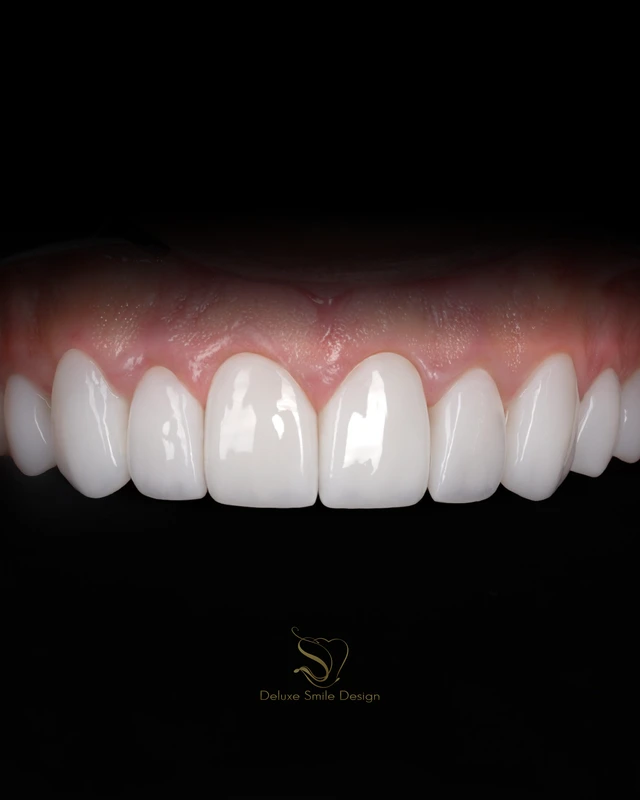
Getting Porcelain Veneers is one of the most effective ways to transform your smile. Whether you’re correcting stained, chipped, uneven, or slightly misaligned teeth, veneers provide a natural-looking, long-lasting solution that can dramatically improve your confidence.
However, your new smile deserves proper care especially during the first few days after your procedure. While porcelain is incredibly durable and stain-resistant, following the right diet after treatment helps protect your veneers, ensures your teeth adjust comfortably, and promotes long-term results.
At Deluxe Smile Design, patients are often surprised to learn that the foods they choose after treatment can influence both comfort and the longevity of their veneers. In this guide, we’ll cover what you should eat, what to avoid, and how to maintain your beautiful smile for years to come.
Why Your Diet Matters After Getting Porcelain Veneers
Although Porcelain Veneers are strong, the bonding cement that attaches them to your natural teeth needs time to fully stabilize. Your teeth may also be slightly sensitive after the procedure, especially if minimal enamel preparation was required.
Choosing softer foods during the initial recovery period helps:
Reduce unnecessary pressure on newly bonded veneers
Minimize tooth sensitivity
Prevent accidental chipping or damage
Allow your mouth to adjust comfortably
Support long-term veneer durability
Most patients can gradually return to their regular diet within a few days, but making smart food choices from the beginning protects your investment.
Best Foods to Eat After Getting Porcelain Veneers
The first 24 to 48 hours are the most important. During this time, focus on foods that are easy to chew and gentle on your teeth.
1. Yogurt
Yogurt is soft, nutritious, and requires almost no chewing. It also provides calcium and protein, supporting overall oral health.
Choose plain or low-sugar varieties whenever possible.
2. Mashed Potatoes
Mashed potatoes are filling, comforting, and extremely easy on your teeth. They require minimal chewing and won’t place pressure on your new veneers.
3. Smoothies
Fruit smoothies provide vitamins while being easy to consume.
When enjoying smoothies:
Avoid extremely cold temperatures if your teeth feel sensitive.
Do not chew ice.
Use a straw if recommended by your dentist to reduce contact with sugary ingredients.
4. Scrambled Eggs
Eggs are an excellent source of protein and have a soft texture that’s perfect after veneer placement.
They also help keep you full without stressing your teeth.
5. Oatmeal
Warm oatmeal is gentle on sensitive teeth and provides long-lasting energy.
Avoid adding crunchy toppings like granola or hard nuts during the first few days.
6. Soft Pasta
Well-cooked pasta is another excellent option. Pair it with soft vegetables or a mild sauce for a satisfying meal.
Avoid overly chewy breads served alongside pasta until you’re fully comfortable.
7. Soup
Soups are ideal after cosmetic dental procedures.
Great choices include:
Tomato soup
Vegetable soup
Chicken noodle soup
Cream soups
Allow hot soups to cool slightly before eating to avoid irritating sensitive teeth.
8. Soft Fish
Fish like salmon or tilapia are rich in nutrients and have a tender texture that requires very little chewing.
These make excellent dinner choices during recovery.
9. Bananas and Other Soft Fruits
Soft fruits are packed with vitamins while being gentle on veneers.
Good options include:
Bananas
Ripe peaches
Avocados
Melons
Avoid biting directly into harder fruits like apples initially.
10. Cottage Cheese
High in protein and calcium, cottage cheese is another easy-to-eat option that supports healthy teeth and gums.
Foods to Avoid After Getting Porcelain Veneers
Certain foods can place unnecessary stress on your veneers, especially shortly after placement.
1. Hard Foods
Avoid foods like:
Ice
Hard candy
Nuts
Popcorn kernels
Hard pretzels
These can potentially chip or crack veneers if bitten aggressively.
2. Sticky Foods
Sticky foods may pull excessively on restorations or become lodged around the veneer margins.
Examples include:
Caramel
Taffy
Gummy candy
Chewy toffee
Although veneers are securely bonded, avoiding sticky foods helps protect them.
3. Tough Meats
Steak, jerky, and other chewy meats require significant biting force.
Instead, choose softer proteins until your mouth feels completely comfortable.
4. Crunchy Vegetables
Raw carrots, celery, and similar vegetables require forceful biting.
If you’d like to eat vegetables, steam or cook them until they’re soft.
5. Crusty Bread
Hard rolls and thick crusts may place pressure on your front teeth.
Opt for softer bread during the first few days.
6. Popcorn
Popcorn presents two risks:
Hard kernels
Hulls becoming trapped near the gumline
Both can create unnecessary irritation after veneer placement.
7. Ice
Many people unconsciously chew ice.
This habit can damage both natural teeth and Porcelain Veneers, so it’s best avoided permanently.
8. Extremely Hot or Cold Foods
Temporary sensitivity is common after veneer placement.
Very hot coffee or ice-cold beverages may increase discomfort during the first few days.
Moderate temperatures are generally more comfortable.
Can You Drink Coffee with Porcelain Veneers?
Yes.
One advantage of Porcelain Veneers is their excellent resistance to staining compared to natural enamel.
However, moderation is still important.
Coffee can stain the bonding material around veneer edges over time, and excessive caffeine may contribute to dry mouth.
To minimize staining:
Rinse with water afterward.
Brush about 30 minutes later.
Avoid sipping coffee continuously throughout the day.
Can You Eat Normally with Porcelain Veneers?
Absolutely.
Once you’ve adjusted, most patients can enjoy nearly all of their favorite foods.
Modern Porcelain Veneers are incredibly durable and designed to withstand normal chewing forces.
That said, veneers aren’t indestructible.
Avoid using your teeth to:
Open packages
Bite fingernails
Crack nuts
Bite pens
Tear plastic wrappers
These habits can damage both veneers and natural teeth.
Long-Term Eating Tips for Veneer Care
Maintaining your veneers isn’t difficult, but a few simple habits go a long way.
Cut hard foods into smaller pieces
Rather than biting directly into apples or crusty sandwiches, slice them first.
Chew with your back teeth
Whenever possible, avoid placing excessive pressure on your front veneers.
Practice excellent oral hygiene
Brush twice daily using a non-abrasive toothpaste and floss every day.
Healthy gums are essential for keeping veneers looking natural.
Visit your dentist regularly
Routine cleanings and exams allow your dentist to monitor your veneers and address any issues early.
Working with an experienced porcelain veneers dentist helps ensure your restorations remain beautiful for many years.
Wear a Night Guard if Needed
If you grind or clench your teeth while sleeping, your dentist may recommend a custom night guard.
This protects your veneers from excessive pressure and helps extend their lifespan.
Porcelain Veneers vs. Resin Veneers
Some patients compare porcelain with composite or resin alternatives before treatment.
While resin veneers in Miami can provide a more affordable cosmetic solution, porcelain offers several advantages:
Greater stain resistance
Longer lifespan
More natural appearance
Superior durability
Better light reflection
Your dentist can recommend the most appropriate option based on your smile goals, oral health, and budget.
What If You Need More Than Veneers?
Not every smile concern can be corrected with veneers alone.
For patients missing one or more teeth, dental implants in Miami may be recommended before cosmetic treatment.
Dental implants replace missing tooth roots and provide a stable foundation for crowns, helping restore both appearance and function.
In many smile makeover cases, veneers and implants work together to create a complete, natural-looking result.
Trust Deluxe Smile Design for Beautiful, Long-Lasting Veneers
Choosing the right provider is just as important as caring for your veneers afterward.
At Deluxe Smile Design, every treatment plan is personalized to your unique smile goals. Whether you’re considering porcelain veneers in Miami, exploring cosmetic enhancements, or need restorative treatments like implants, the experienced team focuses on delivering beautiful, natural-looking results with advanced dental technology.
By following the right dietary guidelines and maintaining good oral hygiene, you can enjoy a confident smile that lasts for many years.
Conclusion
Getting Porcelain Veneers is an investment in your smile and confidence. By choosing soft, nutritious foods, avoiding hard or sticky items, and maintaining good oral hygiene, you can keep your veneers looking beautiful for years. Whether you’re considering porcelain veneers in Miami, resin veneers in Miami, or dental implants in Miami, Deluxe Smile Design offers personalized care to help you achieve lasting results. Book your consultation today and take the first step toward your dream smile.
Frequently Asked Questions
How long should I eat soft foods after getting Porcelain Veneers?
Most patients should stick to soft foods for the first 24 to 48 hours. Your dentist may provide additional recommendations based on your treatment.
Can I eat pizza after getting veneers?
Yes, but wait until any numbness has worn off. Choose softer slices and avoid extremely crunchy crusts during the first couple of days.
Do Porcelain Veneers stain from coffee or wine?
Porcelain itself is highly stain-resistant, but the bonding material around the edges may discolor over time. Rinsing your mouth after consuming staining beverages can help.
Are veneers stronger than natural teeth?
Porcelain veneers are highly durable but should not be considered stronger than healthy natural teeth. Avoid habits like chewing ice or opening packages with your teeth.
Can I eat apples with veneers?
Yes, but it’s better to slice apples into smaller pieces rather than biting directly into them, especially during the first few days after treatment.
[post_faqs]
 Español
  English