

AI Assist
Short on time?
Summarize this article for a beginner using
Note: Gemini’s web interface does not currently allow developers to “automatically paste” or pre-fill the chat box via a URL link (unlike ChatGPT and Google Search), so you will have to paste the automatically copied prompt to Gemini.
Table of Contents
Do Porcelain Veneers Hurt? What to Expect Before, During, and After Treatment
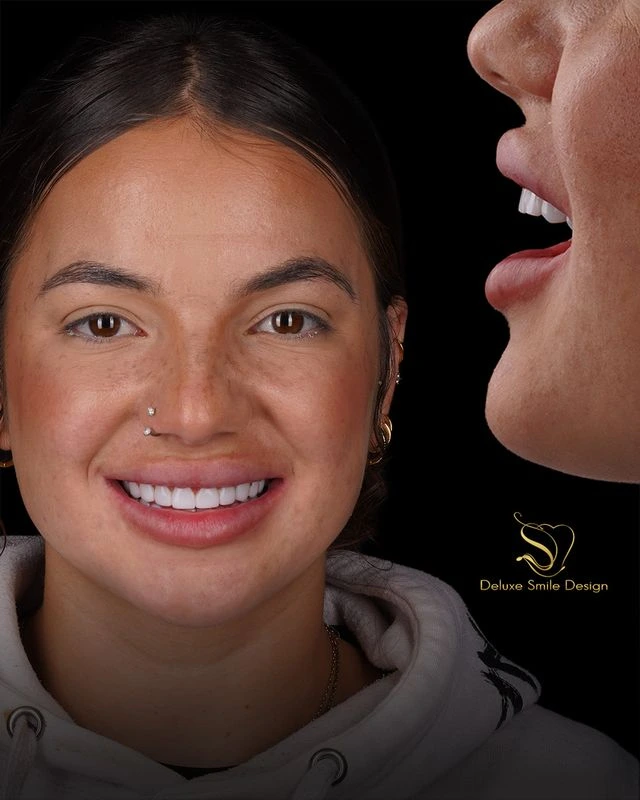
If you’re considering porcelain veneers in Miami, one of the first questions you’re likely asking is, “Do porcelain veneers hurt?” The short answer is no, most patients experience little to no pain during the procedure. Thanks to modern cosmetic dentistry techniques, local anesthesia, and minimally invasive treatment methods, getting porcelain veneers is generally a comfortable experience. Some patients may notice mild tooth sensitivity for a few days afterward, but this typically resolves quickly.
At Deluxe Smile Design, our goal is to make every smile transformation as comfortable as it is beautiful. Understanding what happens before, during, and after treatment can help you feel confident about your decision.
What Are Porcelain Veneers?
Porcelain veneers are ultra-thin, custom-made shells crafted from high-quality dental ceramic. They are permanently bonded to the front surface of your teeth to improve their appearance while maintaining a natural look.
Many people choose porcelain veneers to correct:
Chipped or cracked teeth
Stubborn discoloration
Small gaps between teeth
Minor misalignment
Uneven or worn teeth
Irregular tooth shape
A skilled porcelain veneers dentist carefully designs each veneer to complement your facial features, smile, and bite.
Do Porcelain Veneers Hurt?
The procedure itself is generally not painful.
During treatment, your dentist numbs the area using a local anesthetic before preparing your teeth. Most patients report feeling pressure or vibration rather than pain.
After the anesthesia wears off, you may experience:
Mild tooth sensitivity
Slight gum tenderness
Minor discomfort while biting
These symptoms usually disappear within a few days and are easily managed with over-the-counter pain medication if needed.
For most patients, the discomfort is significantly less than expected.
What to Expect Before Getting Porcelain Veneers
Your Initial Consultation
Your journey begins with a comprehensive consultation.
A porcelain veneers dentist will evaluate:
Your oral health
Existing dental restorations
Bite alignment
Gum health
Smile goals
Digital imaging and photographs may also be used to design your ideal smile.
If cavities or gum disease are present, these issues should be treated before veneers are placed.
Preparing Your Teeth
Unlike crowns, porcelain veneers require only a small amount of enamel removal.
Typically, only 0.3–0.7 mm of enamel is removed to create room for the veneer.
Since only minimal preparation is needed, most patients experience very little discomfort.
Local anesthesia ensures the procedure remains comfortable.
Temporary Veneers
While your permanent veneers are being fabricated, temporary veneers may be placed.
These protect your prepared teeth and allow you to preview your new smile.
Some patients notice slight sensitivity during this stage, particularly when consuming very hot or cold foods.
What Happens During the Veneer Procedure?
The appointment for permanent placement is usually straightforward.
Step 1: Remove Temporary Veneers
If temporary veneers were placed, your dentist removes them carefully.
Step 2: Clean the Teeth
Each tooth is cleaned and prepared for bonding.
Step 3: Test the Fit
Every porcelain veneer is checked for:
Color
Shape
Bite
Overall appearance
Minor adjustments can be made before bonding.
Step 4: Bonding
A strong dental adhesive permanently bonds each veneer to the tooth.
A curing light hardens the adhesive within seconds.
Step 5: Final Bite Adjustment
Your dentist ensures your bite feels natural and comfortable before you leave.
Will You Need Anesthesia?
Most patients receive local anesthesia during tooth preparation.
However, the amount depends on:
Tooth sensitivity
Number of veneers
Personal comfort level
Extent of enamel removal
Patients with dental anxiety may also discuss sedation options with their dentist.
What Does Recovery Feel Like?
Recovery is generally quick.
Most patients return to work the same day.
During the first few days, you may experience:
Mild temperature sensitivity
Slight soreness around the gums
Awareness of the veneers as your mouth adjusts
These sensations typically fade within one week.
How Long Does the Sensitivity Last?
Sensitivity varies from person to person.
Most patients notice improvement within:
24–48 hours for mild sensitivity
Up to one week for temperature sensitivity
Two weeks for complete adjustment
If discomfort continues beyond two weeks, schedule a follow-up appointment.
Tips to Reduce Discomfort After Veneers
Following your dentist’s instructions helps speed recovery.
During the first few days:
Avoid extremely hot foods
Limit ice-cold beverages
Eat softer foods
Avoid biting directly into hard foods
Brush gently around the gums
Use toothpaste for sensitive teeth if recommended
Most patients feel completely normal within a short period.
Do Porcelain Veneers Feel Different?
Initially, yes.
Because veneers slightly change the surface of your teeth, they may feel unfamiliar for a few days.
Your tongue quickly adapts, and most patients soon forget they’re even wearing veneers.
A properly placed veneer should feel like a natural tooth.
Are There Any Risks?
Porcelain veneers have an excellent success rate when performed by an experienced cosmetic dentist.
However, possible risks include:
Temporary sensitivity
Veneer chipping from trauma
Bond failure (rare)
Gum irritation during healing
Bite adjustments after placement
Choosing an experienced provider significantly reduces these risks.
Why Experience Matters
Not every dentist has advanced cosmetic training.
An experienced porcelain veneers dentist carefully plans every detail, including:
Smile design
Tooth preparation
Bite alignment
Color matching
Long-term function
This expertise improves both comfort and long-lasting results.
Why Choose Deluxe Smile Design for Porcelain Veneers in Miami?
Choosing the right cosmetic dental practice can make a significant difference in your experience and results.
At Deluxe Smile Design, every veneer treatment is customized to enhance your natural smile while preserving healthy tooth structure whenever possible. Our team uses advanced digital smile design technology, premium porcelain materials, and precise treatment planning to create veneers that look natural and feel comfortable.
Whether you’re addressing discoloration, chips, gaps, or worn teeth, we focus on delivering beautiful, long-lasting results with patient comfort as a top priority.
If you’re considering porcelain veneers in Miami, our team is here to answer your questions, evaluate your smile, and create a treatment plan tailored to your goals.
Conclusion
For most patients, getting porcelain veneers in Miami is a comfortable, minimally invasive procedure that delivers dramatic improvements in the appearance of their smile. While mild sensitivity after treatment is normal, significant pain is uncommon when the procedure is performed by an experienced cosmetic dentist.
If you’re ready to enhance your smile with natural-looking porcelain veneers, schedule a consultation with Deluxe Smile Design. Our team will evaluate your oral health, discuss your goals, and create a personalized treatment plan designed for long-lasting beauty and comfort.
Frequently Asked Questions
Do porcelain veneers hurt more than dental crowns?
No. Veneers typically require less tooth preparation than crowns, making the procedure less invasive and often more comfortable.
How long does the veneer procedure take?
The process usually involves two appointments over two to three weeks, with the bonding appointment lasting one to two hours depending on the number of veneers.
Will I be able to eat normally afterward?
Yes. After any temporary sensitivity subsides, you can enjoy most foods. It’s still best to avoid biting directly into very hard objects like ice or hard candy.
Is sensitivity after veneers normal?
Yes. Mild sensitivity to hot or cold foods is common and usually resolves within a few days to two weeks.
How long do porcelain veneers last?
With proper care, porcelain veneers often last between 10 and 15 years, and many patients enjoy them even longer before replacement is needed.
[post_faqs]
 Español
  English