

AI Assist
Short on time?
Summarize this article for a beginner using
Note: Gemini’s web interface does not currently allow developers to “automatically paste” or pre-fill the chat box via a URL link (unlike ChatGPT and Google Search), so you will have to paste the automatically copied prompt to Gemini.
Table of Contents
The Truth About Teeth Whitening and Expert Advice on Teeth Removal
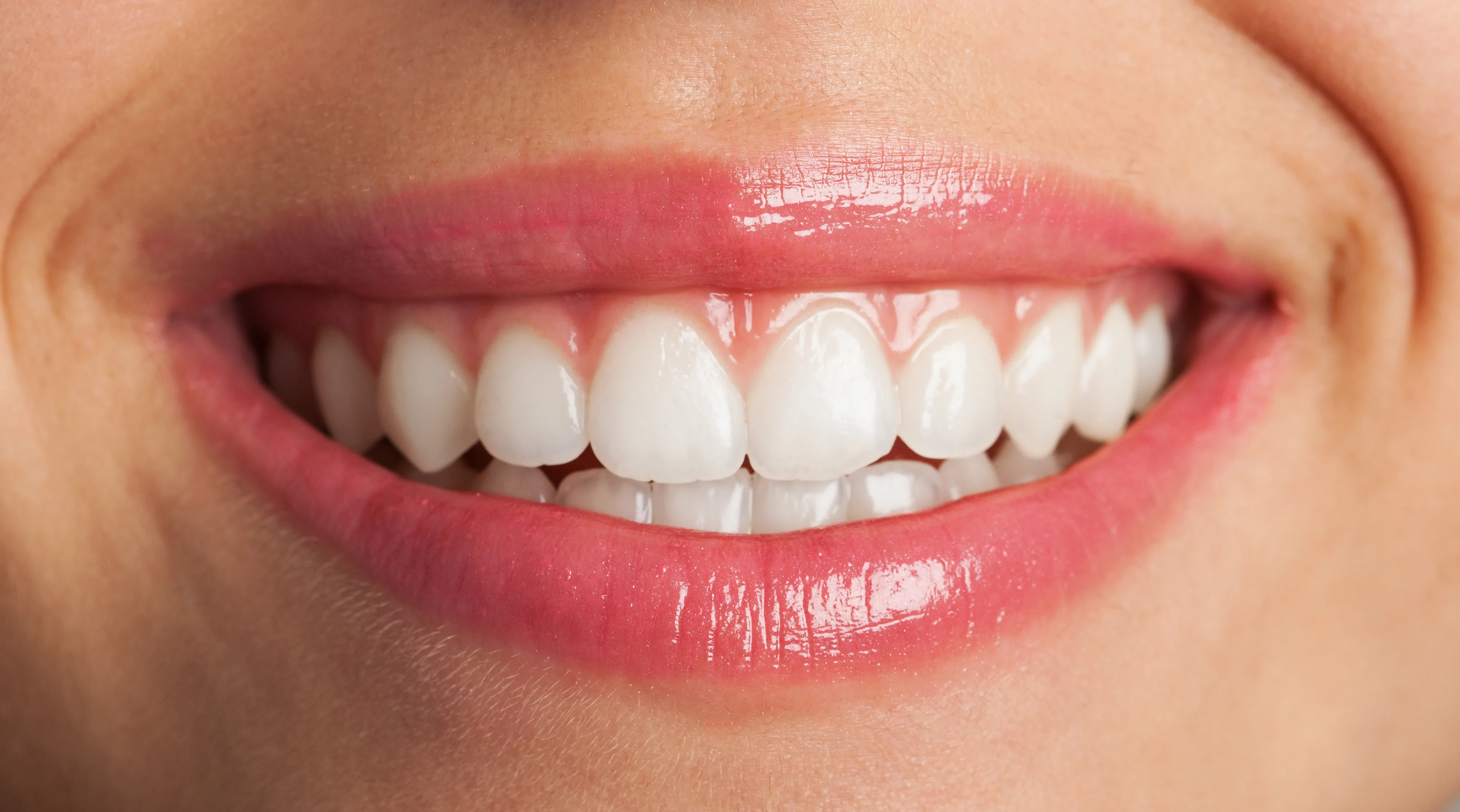
Looking for teeth removal specialist? Or maybe you’re curious about how teeth whitening works and whether the popular myths about whitening are true. These two dental topics often go hand-in-hand because most people searching for a brighter smile are also thinking about broader dental health, including wisdom tooth extraction, oral surgery, or cosmetic improvements.
The world of whitening and wisdom teeth removal is full of misinformation and half-truths. There are endless products and treatments online, from whitening strips and pens to clinic-grade whitening systems. At the same time, many patients begin experiencing discomfort and look for affordable wisdom teeth removal or a dentist wisdom teeth removal specialist.
With so much information, it’s easy to become confused about what works, what is safe, and what truly improves your smile.
This guide will clear all that up. By the end, you will understand:
- The real science behind professional teeth whitening
- The most common whitening myths and what is actually true
- What you need to know before searching for wisdom removal specialist
- Signs wisdom teeth should come out
- How whitening and extraction relate to each other
- How to choose the right dental professional
Let’s start by breaking down one of the biggest questions in dentistry today: how whitening really works.
Why Teeth Become Discolored Over Time
Your teeth are constantly exposed to foods, drinks, and bacteria. Because of this, enamel changes color gradually, even if you brush every day. Whitening only works when you understand why discoloration happens.
There are two types of stains that affect the outer and inner layers of teeth. The first are extrinsic stains. These stains stay on the outer surface and are usually caused by everyday habits. Coffee, tea, wine, and dark sodas are the most common staining agents. Smoking also plays a major role in yellowing. These stains are superficial and are often the easiest to remove.
The second type of stain is intrinsic staining. These discolorations hide beneath the enamel, in the inner tooth layer known as dentin. They can come from medical conditions, medications, aging, or previous damage. Intrinsic stains are harder to remove at home, which is why professional whitening exists.
The reason this matters is that whitening products vary in strength. Some only polish surface stains, while others chemically break up deeper discolorations. Once you understand the type of stain you have, whitening becomes more predictable, effective, and safe.
How Professional Teeth Whitening Really Works
Most whitening treatments recommended by dental professionals use hydrogen peroxide or carbamide peroxide. These ingredients go beyond the outer layer and change the stain molecules inside the tooth. They release oxygen into the enamel, which breaks apart discoloration and leaves teeth looking brighter.
Professional whitening works better for one simple reason: the concentration is higher and it is applied safely under supervision. Store-bought whitening may help with mild stains, but professional whitening delivers dramatic and fast results that last longer.
Dentists may use in-office whitening gel, whitening trays, or light-activated treatments. The formulas are FDA-approved and supported by clinical research. If you search for dental services like whitening and wisdom teeth dentists, you’ll see most offices offer multiple whitening options.
The best part is that whitening is safe for your enamel when performed by a trained dentist. This directly brings us to a common misunderstanding.
Myth 1: Whitening Weakens Enamel
Many people believe whitening removes enamel. This is false. Professional whitening does not strip away your enamel or damage the protective layer of the tooth. Instead, it brightens the enamel without changing its structure.
However, the myth comes from DIY products. Unregulated kits or home hacks using baking soda, vinegar, or lemon juice can be dangerous. Those substances erode enamel and increase tooth sensitivity. So the truth is that whitening is safe, but only when the products and application are handled correctly.
Professional offices follow guidelines recommended by the American Dental Association. For more details about whitening safety, you can visit ADA.org for research-based recommendations.
Myth 2: Whitening Toothpaste Is All You Need
Whitening toothpaste works by polishing or scrubbing the surface of the tooth. It does not change the natural color of enamel. This is why many people get frustrated when toothpaste promises don’t match the results.
Toothpaste is helpful for maintaining brightness after treatment. But if you want a noticeably whiter smile, in-office whitening or professional whitening trays are far more effective. Many patients searching for broader dental care such as wisdom tooth extraction often pair whitening with other appointments for convenience.
Myth 3: All Whitening Methods Work the Same
This is where most people get confused. Whitening products range from very mild to extremely strong. Store options can take weeks and might only lighten teeth slightly. Professional whitening can produce results in one visit. The key difference is the concentration of the whitening ingredients and the expertise of a trained dentist.
In-office whitening produces the fastest results because the formula is stronger and the application time is controlled. Professional trays are a slower alternative but produce long-lasting changes.
Who Should Consider Professional Whitening?
Most healthy adults are candidates for whitening, but dentists will typically check for:
- Gum disease
- Decay
- Sensitivity
- Receding gums
- Previous dental work
Whitening may not be a good choice for someone pregnant or dealing with painful or cracked teeth. This is another reason to consult a dentist instead of trying to whiten at home. If you’re already exploring options for a teeth removal specialist or other procedures, whitening can easily fit into a dental treatment plan once your oral health is stabilized.
Understanding the Connection Between Whitening and Wisdom Teeth Removal
You may be wondering why whitening and wisdom teeth removal are often discussed together. The answer is simple. Many patients experience oral pain or crowding as wisdom teeth come in. While whitening makes your smile brighter, extraction deals with long-term dental health and prevents problems such as infection or tooth shifting.
Patients who search for services like affordable wisdom teeth removal or dentist wisdom teeth removal are usually experiencing symptoms like:
- Pain or tenderness near the back of the jaw
- Swelling or redness
- Difficulty chewing
- Infection or bad breath
- Pressure against other teeth
Wisdom teeth commonly cause problems because there is not enough space in the mouth for them to erupt properly. When they become impacted, they push against nearby teeth or grow sideways. This is where extraction becomes necessary.
Signs That Your Wisdom Teeth Need Removal
A dentist will evaluate your wisdom teeth with a visual exam and X-ray. Impacted wisdom teeth often cause headaches, jaw pain, or swollen gums. Food may get trapped more often behind the back molars, causing bacterial buildup. If your wisdom teeth are affecting your daily comfort or oral alignment, removal is usually the best option.
Searching for wisdom removal is a good first step when you experience discomfort. A professional will determine if removal is necessary and create a plan to keep your oral health protected.
What Happens During Wisdom Tooth Extraction
Modern dentistry has made the removal process faster and easier than ever. A typical appointment involves:
- A full evaluation and X-rays
- Local anesthesia or sedation
- Gentle extraction of the tooth
- Cleaning and closing the area
- Post-care instructions
The procedure is designed to be painless. Most patients feel pressure but not pain. After care is simple and usually takes a few days. Ice packs, rest, and soft foods are normally enough to recover.
Costs and Affordable Options
One of the most common concerns is cost, which is why many patients search for affordable wisdom teeth removal. The price depends on whether the tooth is impacted, whether sedation is needed, and whether one or more teeth are removed.
Most clinics offer financing, insurance billing, and flexible payment plans. A consultation can provide exact pricing, and most offices explain everything clearly before scheduling the surgery.
Which Should You Do First: Whitening or Removal?
If you need both treatments, dentists usually recommend extraction first. When wisdom teeth cause pressure or infection issues, whitening may not deliver the best results. Once your mouth is healed, whitening can be performed safely and efficiently.
Some patients even choose whitening during their follow-up visits. It improves confidence and creates a fresh start after removal.
How to Choose the Right Dentist for Teeth Removal
When searching for a provider, always look for:
- Great reputation and reviews
- Transparent pricing
- Comprehensive oral care
- Clear communication
- Safety standards and modern technology
Your dentist should make you feel comfortable and explain everything, whether you need whitening or removal.
Conclusion: Brighten and Protect Your Smile
If you’ve been looking for professional whitening or researching teeth removal , the best decision is to visit a trusted dental provider. Whitening, extraction, and cosmetic care are all part of a healthy smile and long-term confidence.
Dentists offer safer, more reliable solutions than DIY methods. Whether you need wisdom tooth extraction, whitening, or routine dental care, professional guidance delivers the safest results and the strongest improvements.
Your smile deserves expert care. Take the first step toward a healthier smile today. Contact us now to schedule your appointment and experience the difference professional treatment can make for your comfort, confidence, and oral health.
Frequently Asked Questions
1. Is professional teeth whitening safe?
Yes, professional whitening performed by a licensed dentist is generally considered safe for healthy teeth. Dentists follow approved methods and use controlled whitening gels to protect your enamel and gums.
2. How long does teeth whitening last?
Results vary based on lifestyle and dental habits, but professional whitening usually lasts several months or longer. Regular dental cleanings and avoiding staining foods or drinks can help maintain results.
3. How do I know if I need wisdom teeth removal?
Some common signs include discomfort, swelling near the back of the jaw, or trouble chewing. If you suspect a problem, it’s best to visit a dentist for an evaluation. They can confirm whether teeth removal or wisdom tooth extraction is necessary and safe for you.
4. Is wisdom tooth extraction painful?
With modern anesthesia and dental techniques, many patients report minimal discomfort during the procedure. A dentist can guide you through what to expect and how to recover comfortably.
5. How long does it take to recover from wisdom teeth removal?
Recovery time varies for each person, but many patients feel better within a few days. Your dentist will provide specific after-care guidelines for a smooth healing process.
[post_faqs]
 English
  Español